How to Write a Cover Letter That Gets Noticed (2026 Guide)
Stop copying templates. Start writing cover letters that hiring managers actually want to read.
Let me guess: you’re staring at a blank document, trying to figure out how to start a cover letter without sounding like a robot or a try-hard.
You’ve probably Googled “cover letter examples” and found a bunch of templates that all say the same thing: “I am writing to express my interest in the position…” Yawn.
Here’s the truth: most cover letters are terrible. They’re generic, boring, and say nothing that isn’t already on the resume. No wonder people think they’re useless.
But a good cover letter? That can be the difference between getting an interview and getting ignored. It’s your chance to show personality, explain why you actually want the job, and connect the dots for the hiring manager.
So let’s write one that doesn’t make people’s eyes glaze over.
Do You Even Need a Cover Letter?
Real talk: it depends.
Write one if:
- The job posting specifically asks for it
- You’re making a career change and need to explain why
- You have a connection at the company you want to mention
- Your resume has gaps or quirks that need context
- You’re really excited about the company and have something interesting to say
Skip it if:
- The application says “optional” and you have nothing valuable to add
- You’re applying to 50 jobs a day (quality over quantity, friend)
- It’s an online application with a million forms already
But if you’re going to write one, make it count. A lazy cover letter is worse than no cover letter.
The Basic Structure (But Make It Yours)
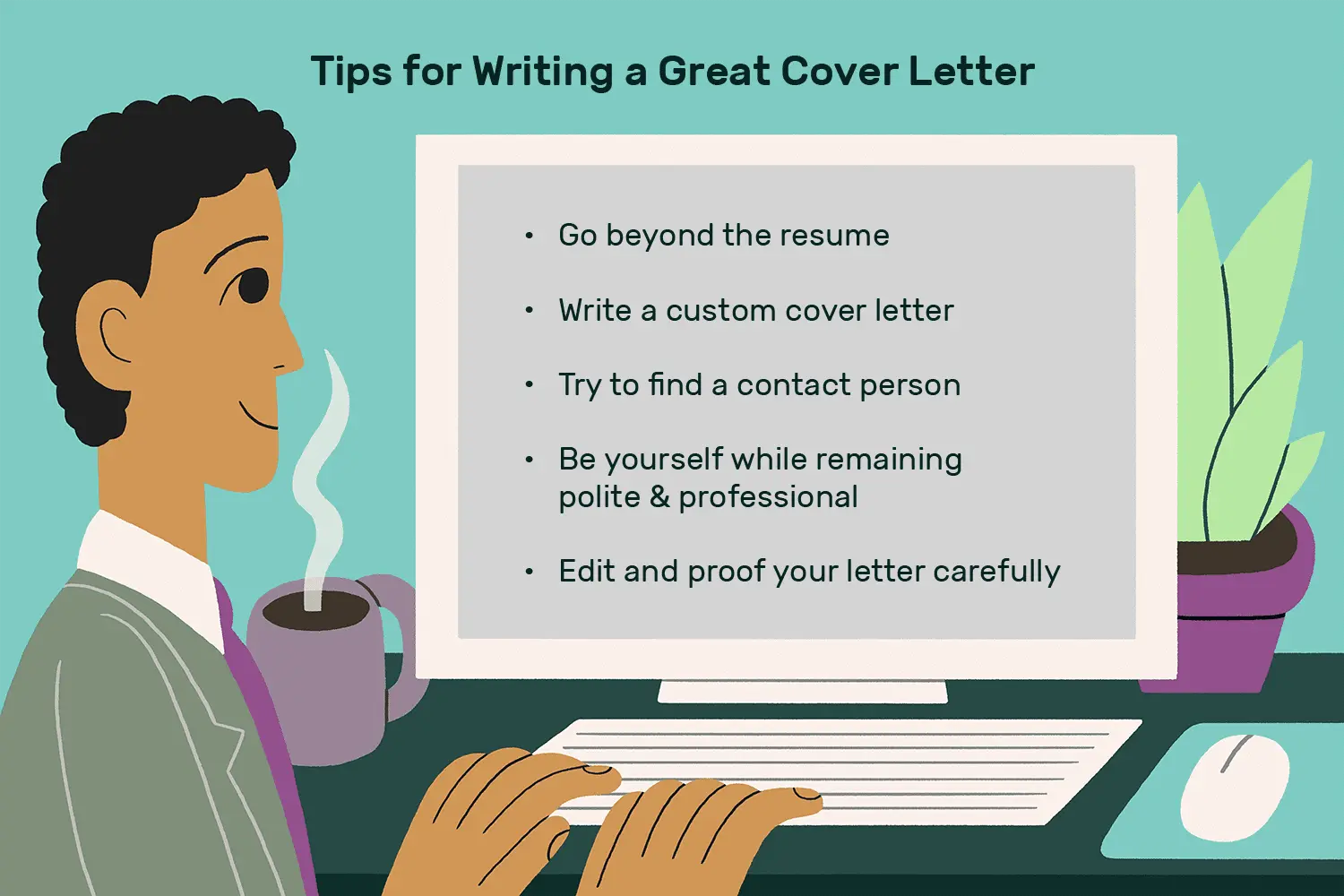
Yes, there’s a structure. But that doesn’t mean it has to be boring. Think of it as a framework, not a script.
Opening Paragraph: Hook Them
This is where most people blow it with “I am writing to apply for…” Stop. Just stop.
Start with something that makes them want to keep reading:
- A specific achievement relevant to the job
- Why you’re genuinely excited about this specific company
- A brief story that shows your relevant experience
Bad opening:
“I am writing to express my strong interest in the Marketing Manager position at your company.”
Good opening:
“When I saw that Spotify was hiring a Marketing Manager, I literally stopped scrolling. I’ve been using your Discover Weekly playlist to find new music since 2015, and I’ve spent the last five years figuring out how to create those kinds of personalized experiences for other brands.”
See the difference? The second one is specific, shows genuine interest, and hints at relevant experience. It sounds like a real person wrote it.
Middle Paragraphs: Prove You Can Do the Job
This is where you connect your experience to what they need. Pick 2-3 key requirements from the job description and show how you’ve done that stuff before.
The formula:
- What they need
- What you’ve done that’s similar
- What you achieved (with numbers if possible)
Example:
“You mentioned needing someone who can manage multiple social media platforms while maintaining brand voice. At my last company, I ran Instagram, TikTok, and Twitter for a wellness brand, growing our combined following from 15K to 200K in 18 months. The key was creating platform-specific content that still felt cohesive—something I’d love to bring to your team.”
Notice: it’s not just listing skills. It’s showing you understand their needs and have actually done the work.
Closing Paragraph: Seal the Deal
Don’t just say “I look forward to hearing from you.” That’s weak. End with confidence and clarity about what you want.
Weak closing:
“Thank you for your consideration. I look forward to hearing from you.”
Strong closing:
“I’d love to talk more about how my experience growing social audiences could help Spotify reach even more music lovers. I’m available for a call anytime next week—just let me know what works for your schedule.”
The Format (Keep It Simple)
Don’t overthink the formatting. Here’s what you need:
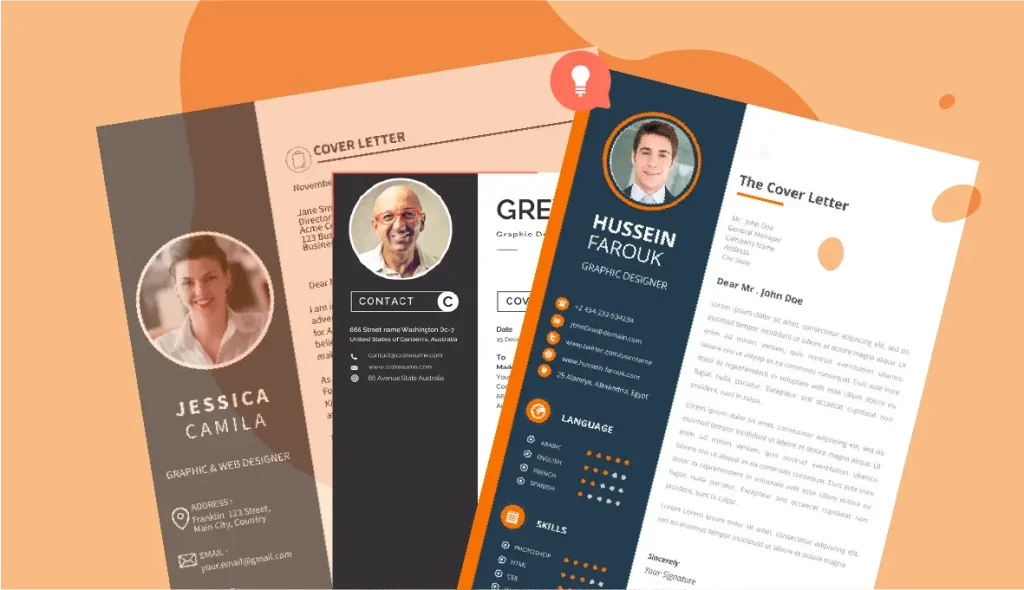
Header
Your name, phone, email, LinkedIn. Same as your resume header so everything looks cohesive.
Pro tip: Match the fonts and style to your resume. It looks professional and shows attention to detail.
You can navigate to europass website to create your cover letter if you are applying for European Countries.
Date and Company Info
Today’s date, then skip a line, then the hiring manager’s name (if you have it), their title, company name, and address. If you don’t have a name, “Hiring Manager” works fine.
Greeting
“Dear [Name],” is still the standard. If you don’t have a name, “Dear Hiring Manager,” works.
Skip “To Whom It May Concern.” It sounds like you’re writing to a bank in 1952.
Body (3-4 Paragraphs)
Opening, 1-2 middle paragraphs, closing. Keep each paragraph 3-5 sentences. White space is your friend.
Sign-Off
“Best regards,” “Sincerely,” or “Best,” then your name. Don’t overthink this part.
Length: Half a page to three-quarters of a page. Anything longer and you’ve lost them.
What Makes a Cover Letter Actually Good
1. It’s Specific to the Company
Generic cover letters are obvious and useless. Do five minutes of research:
- What does the company actually do?
- What’s their mission or recent news?
- Why does this role exist right now?
Then reference something specific in your letter. It shows you’re not just spray-and-praying your application everywhere.
2. It Tells a Story Your Resume Can’t
Your resume lists what you did. Your cover letter explains why it matters and what you learned.
Maybe you managed a failed project that taught you something valuable. Maybe you switched careers because of a specific experience. These are cover letter stories, not resume bullet points.
3. It Shows Personality (But Stays Professional)
You don’t need to be a robot, but you also shouldn’t write like you’re texting your friend.
The sweet spot: conversational but polished. Like you’re talking to someone you respect but don’t know super well yet.
Test: Read it out loud. If it sounds like someone else wrote it, rewrite it in your own voice.
4. It’s Scannable
Hiring managers skim. They’re not reading every word. Make it easy:
- Short paragraphs
- Plenty of white space
- Clear logical flow
Common Cover Letter Mistakes
Repeating Your Resume
If you’re just listing the same stuff from your resume, you’re wasting everyone’s time. Add context, not repetition.
Being Too Humble
This isn’t the time to downplay your achievements. “I think I might be a good fit” sounds like you’re not even sure. Be confident. You’re applying because you can do the job.
Making It About You
Yes, it’s your cover letter. But frame everything around what you can do for them, not what they can do for you. “This job would be great for my career” < “I can help you solve [specific problem].”
Typos and Grammar Mistakes
One typo can tank your entire application. Proofread. Then proofread again. Then have someone else read it.
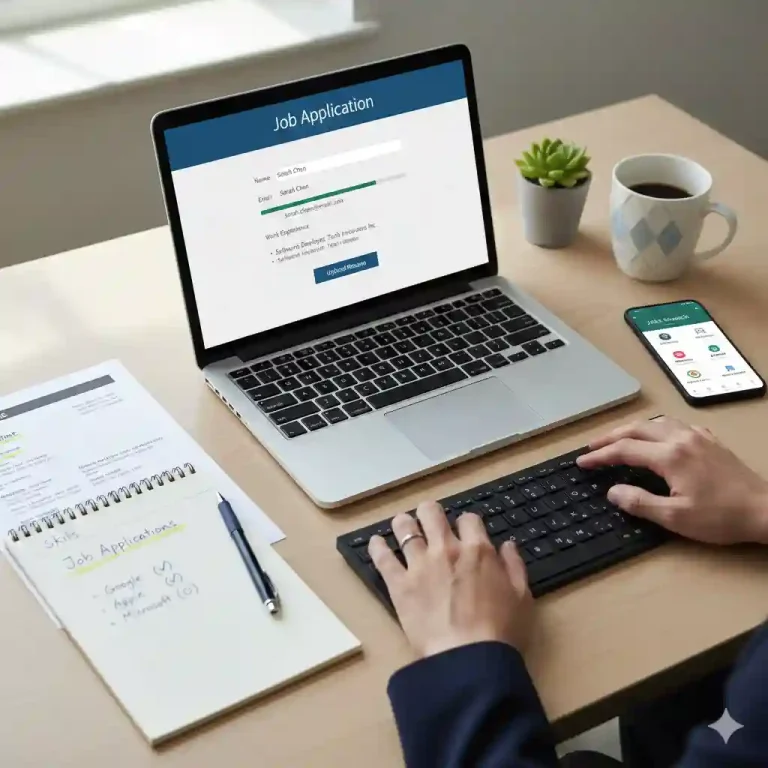
Check out this guide on how to fill out job application.
Using a Template Word-for-Word
Templates are fine for structure, but if you’re copying sentences, hiring managers can tell. They’ve seen the same phrases a hundred times.
Special Situations
Career Change Cover Letter
Address the elephant in the room right away. Explain why you’re switching and what transferable skills you’re bringing.
“After five years in teaching, I’m ready to bring my communication and project management skills to marketing. Lesson planning taught me how to break complex ideas into digestible content—something I’ve been applying to my freelance blog work, where I’ve grown organic traffic by 400% in six months.”
Referral Cover Letter
Mention the referral in the first sentence. It’s your golden ticket.
“Sarah Johnson suggested I reach out about the Product Manager opening. We worked together at XYZ Corp, and she thought my experience launching mobile apps would be a great fit for your team.”
Entry-Level Cover Letter
No experience? Focus on:
- Relevant coursework or projects
- Internships or volunteer work
- Why you’re excited to learn and contribute
Quick Checklist Before You Send
- Company name is correct (and spelled right)
- Job title matches the posting
- No typos or grammar mistakes
- You’ve mentioned specific details about the company
- It’s half to three-quarters of a page
- Formatting matches your resume
- You sound like yourself (not a template)
- File is named professionally (YourName-CoverLetter.pdf)
- Someone else has read it
Final Thoughts
Cover letters aren’t dead. Bad cover letters are dead.
If you’re going to write one, make it specific, interesting, and genuinely useful to the person reading it. Show them you’ve done your homework. Prove you can do the job. Sound like a real human being.
And remember: a cover letter is just the beginning of the conversation. Its job is to get you in the room. Once you’re there, that’s when you really get to show what you can do.
Now go write something that doesn’t suck.
Need more help with your job search?
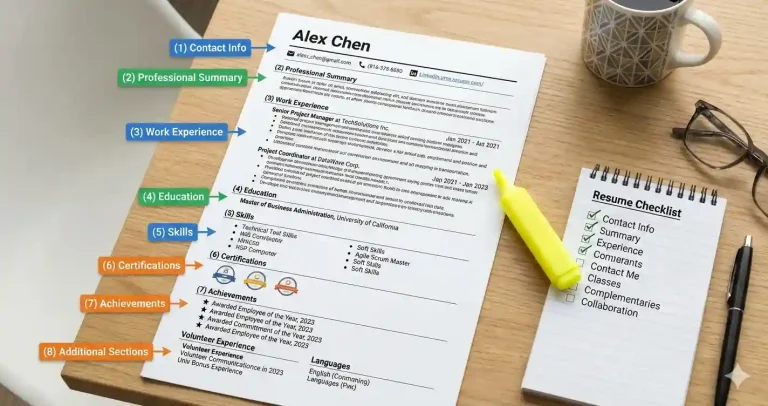
Check out our resume writing guide and LinkedIn optimization tips and resume formats guide.
Discover more from eduhire.blog
Subscribe to get the latest posts sent to your email.