Resume Writing Tips 2026: How to Craft a Resume That Gets You Hired
No fluff. No corporate jargon. Just a straightforward guide to writing a resume that works in 2025.
Look, I get it. Writing a resume sucks.
You’re staring at a blank page, trying to summarize years of your life into one or two pages that somehow need to convince a stranger you’re worth talking to. And oh yeah, it also needs to get past a robot first.
But here’s the thing: a good resume isn’t about fancy templates or using words like “synergize.” It’s about telling your story in a way that makes someone think, “Yeah, I need to meet this person.”
So let’s cut through the noise and talk about what actually matters.
First Things First: What Kind of Resume Do You Need?
There are three main types, but honestly, most people overthink this part.
Chronological (the standard one): Your jobs listed from most recent to oldest. This is what 90% of people should use. It’s clean, easy to follow, and recruiters know how to read it.
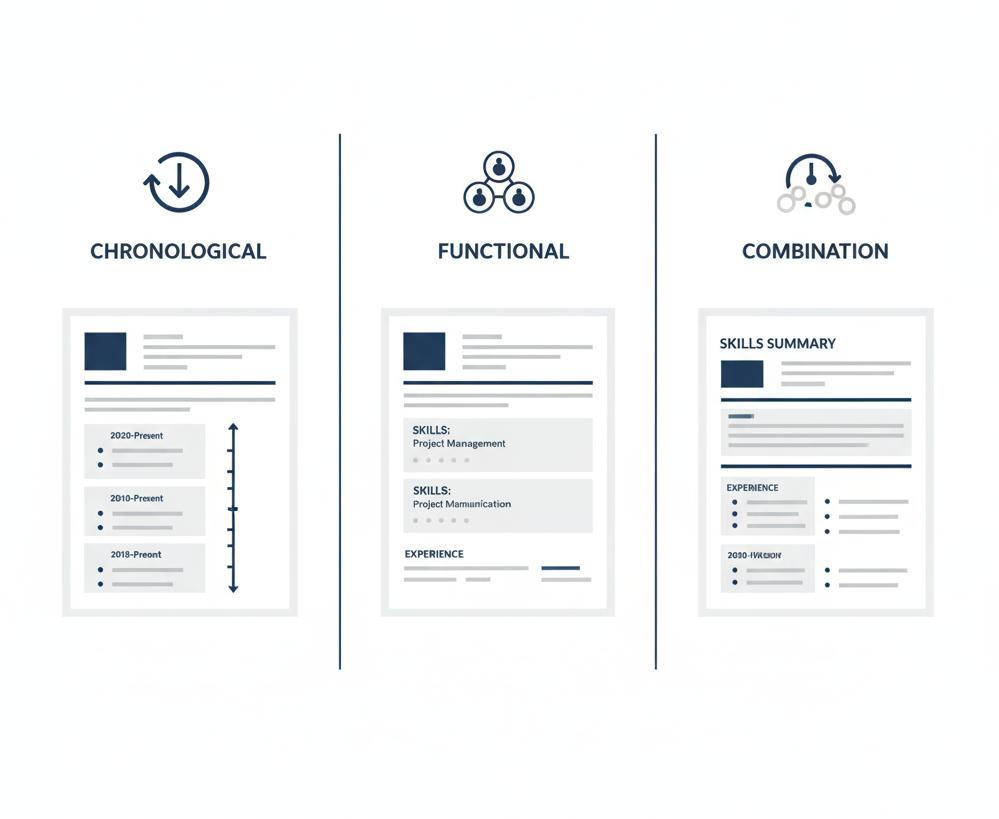
Functional (the skills-focused one): Groups your experience by skills instead of jobs. Honestly? Most recruiters don’t love these because they assume you’re hiding something. Use this only if you’re making a big career change or have weird gaps.
Combination (the hybrid): Mix of both. Good if you’re experienced and want to highlight specific skills, but it can get cluttered fast.
My advice? Stick with chronological unless you have a really good reason not to. Don’t try to reinvent the wheel.
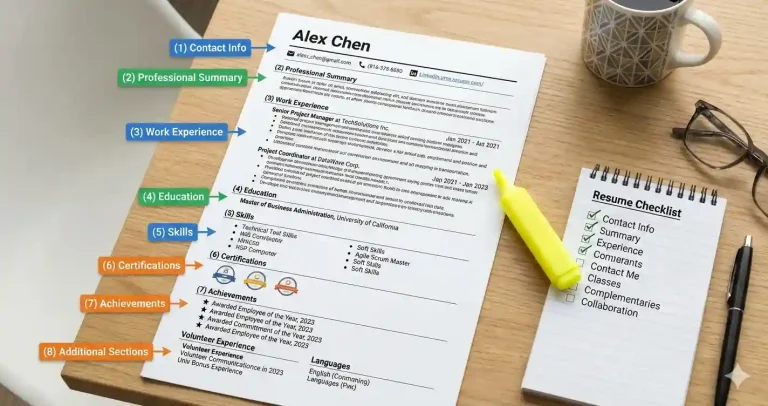
The Top Section: Your Contact Info
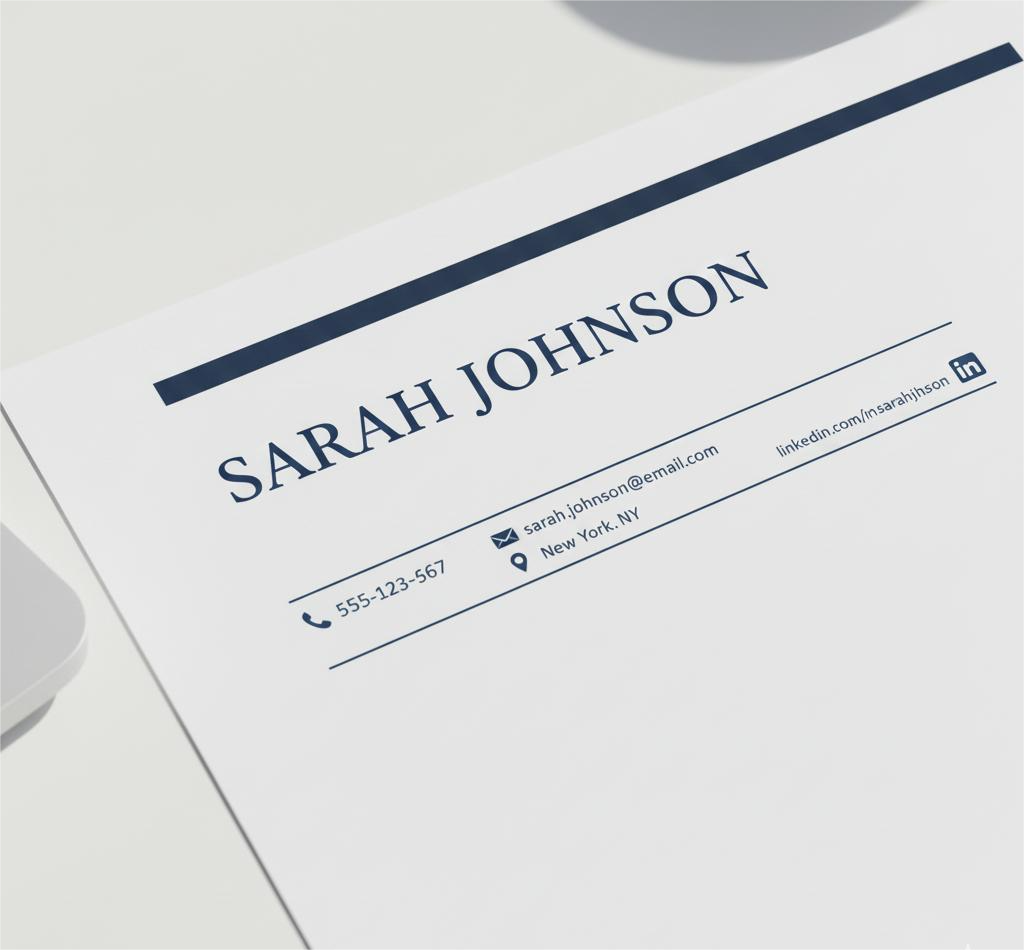
This should be the easiest part, but people still mess it up. Here’s what you need:
- Your name (bigger font, like 18-20pt)
- Phone number (make sure your voicemail doesn’t sound like a college party)
- Email that doesn’t make you look like you’re 12 (firstname.lastname@gmail.com works great)
- City and state (no need for your full address anymore)
- LinkedIn URL (customize it so it’s not a jumble of numbers)
Skip the headshot unless you’re applying somewhere it’s expected, like parts of Europe. In the US, it’s just taking up space and opening the door to bias.
Your Summary: The 30-Second Pitch
Think of this as your opening line at a networking event. You’ve got maybe 3-4 sentences to make someone interested enough to keep reading.
If you have experience, write a summary:
“Marketing manager who’s spent the last 6 years figuring out what makes people click. Grew our Instagram from 5K to 200K followers, boosted engagement by 300%, and learned way too much about algorithm changes. Looking to do the same for a company that actually has a marketing budget.”
If you’re starting out, write an objective:
“Recent grad with a CS degree and a bunch of side projects I’m actually proud of. Built three React apps, contributed to open source, and can explain APIs to my grandma. Ready to write code that people actually use.”
See the difference? Real voice. Actual accomplishments. No corporate speak about “leveraging synergies” or being a “results-oriented professional.” Everyone says that. Say something real.
Work Experience: Where You Prove Your Worth
This is the meat of your resume. List your jobs starting with the most recent. For each one:
Job title, company, dates. Pretty straightforward.
Then 3-5 bullet points about what you actually did. Not what your job description said. What you DID.
Here’s the secret formula:
[Action word] + [what you did] + [the result, with numbers]
Bad example:
“Responsible for managing social media accounts”
Good example:
“Ran Instagram and TikTok for a skincare brand, grew followers from 12K to 85K in 8 months, and generated $50K in direct sales through creator partnerships”
Notice the difference? The second one tells a story with proof. Numbers are your friend here. Even if they’re small, use them. “Trained 3 new employees” is better than “responsible for training.”
Pro tip: If you got promoted, show it. List each role separately. It proves you’re good at what you do.
Education: Keep It Simple
Unless you’re fresh out of school, keep this brief:
- Your degree and major
- School name
- Graduation year
Only include your GPA if it’s above 3.5 and you graduated recently. After a few years of work experience, no one cares.
If you have a bachelor’s or higher, skip high school. Once you’ve got a college degree, your high school doesn’t matter anymore.
Skills: What You Actually Know How to Do
Here’s what most people get wrong: they list every skill they’ve ever touched. Don’t do that.
Instead, look at the job description. What skills do they want? Match those. Be honest, but strategic.
Example for a marketing role:
Google Analytics, SEO, Facebook Ads, Mailchimp, Photoshop, Copywriting, A/B Testing, Social Media Strategy
Keep it to 8-12 skills max. Quality over quantity. And please, don’t put “Microsoft Office” unless the job specifically asks for it. It’s 2025. Everyone knows Word.
One more thing: If you claim you’re an expert in something, you better be ready to talk about it in the interview. I’ve seen people ruin interviews because they listed skills they barely knew.
The ATS Problem (And How to Beat It)
Okay, real talk: most big companies use software called Applicant Tracking Systems (ATS) to filter resumes before a human ever sees them. It’s annoying, but it’s reality. Over 90% of large companies use Applicant Tracking Systems.
The ATS scans your resume for keywords from the job description. If it doesn’t find them, your resume goes into the digital void, never to be seen again.

Here’s how to play the game:
- Use the exact keywords from the job posting (naturally, not stuffed awkwardly)
- Stick to standard section headers: Work Experience, Education, Skills
- Skip fancy graphics, tables, or text boxes (ATS can’t read them)
- Use a simple font like Arial or Calibri
- Save as a .docx or PDF (check the job posting to see what they want)
Common Mistakes That Kill Resumes
1. Typos and grammar mistakes
Seriously, proofread. Then proofread again. Then have someone else proofread. One typo can be the difference between interview and trash bin.
2. Making it too long
One page if you’re early career. Two pages max if you’re experienced. No one’s reading your 4-page novel.
3. Using the same resume for every job
I know it’s tedious, but customize your resume for each application. At minimum, adjust your summary and make sure your keywords match the job description.
4. Lying
Don’t. Just don’t. Companies verify credentials. You’ll get caught, and it’ll be awkward for everyone.
5. Including irrelevant stuff
Your hobby of collecting stamps is cool, but unless you’re applying to a philately museum, leave it off. Every line should support why you’re right for THIS job.
Befor writing a Resume, you should know about you career.
Quick Formatting Checklist
Before you hit send, make sure:
- Fonts are consistent (pick one or two, stick with them)
- Margins are even (usually 0.5-1 inch all around)
- Bullet points line up properly
- Dates are formatted the same way throughout
- There’s enough white space (cramming everything together looks desperate)
- Your filename is professional (YourName-Resume.pdf, not resume_final_FINAL_v3.docx)
The Actually Useful Advice
Get someone to read it. Not your mom (she thinks everything you do is perfect). Someone who’ll tell you the truth. Better yet, someone who works in your field.
Update it regularly. Don’t wait until you’re job hunting to remember what you did two years ago. Add accomplishments as they happen.
Remember: it’s a conversation starter, not a biography. Your resume’s job is to get you an interview, not tell your entire life story. Save the details for when you’re talking to a real person.
Focus on the stuff that matters. What problems did you solve? What did you build? What got better because you were there? That’s what employers care about.
Bottom Line
Writing a resume isn’t fun. But it doesn’t have to be torture either.
Keep it simple. Tell the truth. Show what you’ve done with real numbers and examples. And for the love of all that is holy, proofread the thing.
Your resume isn’t going to be perfect. That’s okay. It just needs to be good enough to get you in the room. Once you’re there, you can show them who you really are.
Now go write that resume. You’ve got this.
Want more job search tips?
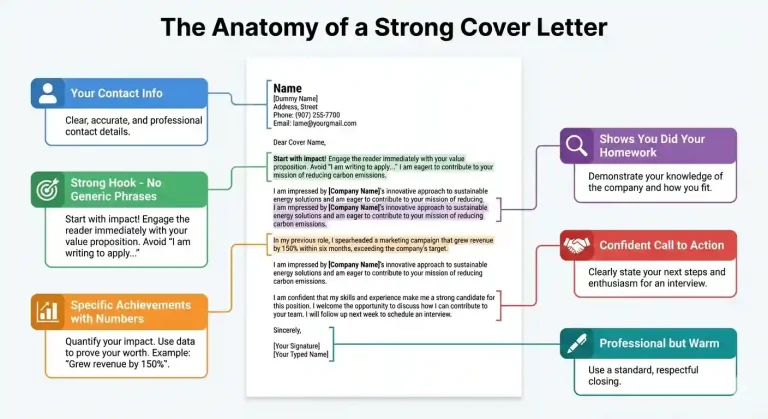
Check out our other guides on cover letters, LinkedIn optimization, What to include in resume, and interview prep.
Discover more from eduhire.blog
Subscribe to get the latest posts sent to your email.